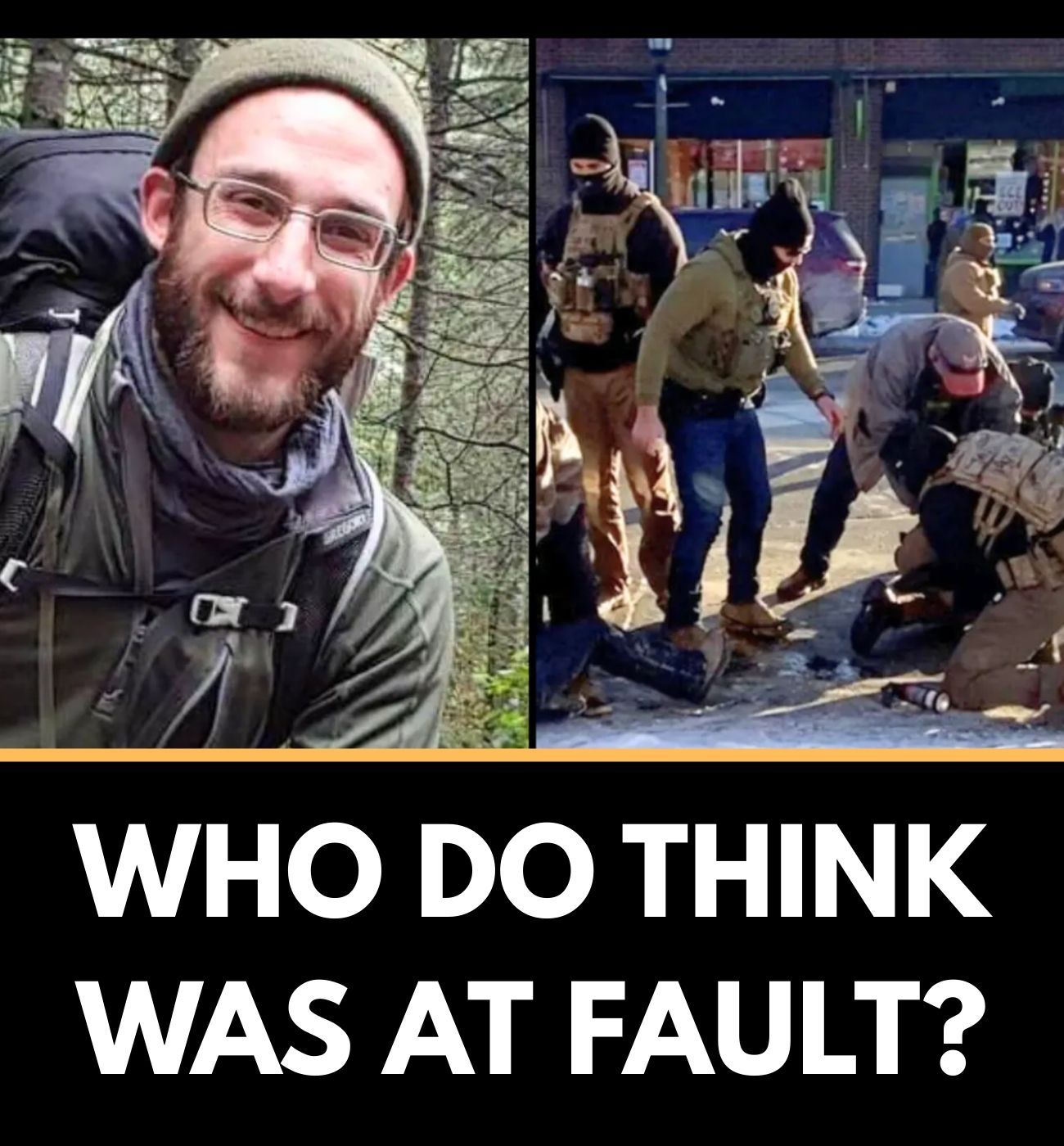
“Be Careful. Don’t Engage.” — The Final Conversations of Alex Pretti
On January 24, 2026, 37‑year‑old Alex Jeffrey Pretti, an intensive care nurse in Minneapolis, was shot and killed by a federal immigration agent during a controversial operation that has ignited national debate about law enforcement, protest rights, and federal immigration enforcement. In the days since his death, his parents — Michael and Susan Pretti — have shared what they told their son in the days before he was killed, offering a deeply personal window into their last moments of communication and their hopes and fears for him.
Before diving into the details of those last conversations, it’s important to understand who Alex was as a person — not just as a headline. Pretti was a 37‑year‑old ICU nurse at the Minneapolis Veterans Affairs Health Care System. Colleagues and family remembered him as compassionate, service‑oriented, and deeply committed to the well‑being of others. Neighbors described him as warmhearted and helpful, not someone predisposed to violence or confrontation.
His life was marked by service — both professionally and personally. As an ICU nurse, he cared for veterans with intense medical needs, soaking up countless hours of emotionally demanding work. Outside of the hospital, family and friends described him as a passionate outdoorsman, an avid cyclist, and a person who had a way of lighting up every room he walked into.
This deep empathy and dedication to care shaped how his parents now remember him — and what they remember telling him before his death.
The Final Conversations: Detail by Detail
1. The Timing of the Last Call
Michael and Susan have said that they last spoke with Alex about two days before he was killed. What was intended as a normal family conversation later took on profound significance after his death.
They weren’t talking about political rallies or protests — they were talking about everyday life. The conversation was rooted in the ordinary: updates about home repairs and family life. In hindsight, that normalcy is painfully striking.
2. A Conversation About Life — Not Death
In that final phone call, the Prettis discussed routine matters. One of the specific details his parents shared was about repairs to his garage door — including how the Latino worker who had done the job had been given a $100 tip by Alex, partly because of how tense things were in Minneapolis at the time.
What Alex’s Parents Told Him: Warnings About Protests
From Colorado, where Michael and Susan live, the Prettis were aware that their son planned to attend protests in Minneapolis — demonstrations that had grown increasingly tense in the days leading up to his death.
In a conversation they had with him (not necessarily the last one, but within the last few weeks), they told him:
“Go ahead and protest, but do not engage. Don’t do anything stupid.”
— Michael Pretti
This was not a rebuke of his beliefs; it was a parent’s plea for safety. They didn’t want him to shy away from expressing his views — they just didn’t want him to put himself in harm’s way. Alex acknowledged this advice and said he understood it.
It’s worth noting how ordinary and loving this guidance was: not to restrain his conviction, but to keep himself safe.
Alex’s State of Mind — Based on Family Accounts
His family described his engagement as rooted in empathy: deeply moved by what he perceived as overreach by immigration authorities and concerned about the community around him. They saw his actions not as violence but as support for fellow citizens and a form of civic participation.
His ex‑wife noted that Alex had participated in earlier protests — including those following the death of George Floyd — and that he would sometimes shout at law enforcement in those contexts, though he was not usually physically confrontational.
All these details paint a picture of a man who cared deeply about both his profession — caring for critically ill patients — and his community.
The Incident That Took His Life
On January 24, during what federal authorities described as a targeted operation to apprehend an “illegal alien” wanted for violent assault, Pretti was shot at point‑blank range by a U.S. Border Patrol officer. Authorities claimed he approached the officers while armed with a handgun and “violently resisted” as they tried to disarm him.
However, witnesses and video footage shared by local media outlets and social platforms contradict that narrative, showing Pretti holding what appears to be a phone in his hand, with his other hand raised, and attempting to assist a woman who had been pushed to the ground by agents.
This discrepancy has become a major point of contention.
What the Parents Said After His Death
In a public statement following Alex’s killing, Michael and Susan said:
“We are heartbroken but also very angry. Alex wanted to make a difference in this world. Unfortunately, he will not be with us to see his impact.”
— Michael and Susan Pretti
They went further, rejecting portrayals of their son as a threat. They denounced statements from federal officials as “sickening lies” and urged the public to see Alex as a compassionate and good man — not a violent one.
Their plea was as much about correcting the public narrative as it was about honoring the memory of their son.
Echoes of a Parent’s Love in Final Words
There is a haunting quality to the details Michael and Susan shared about their final conversations with Alex. The topics were mundane — garage door repairs, generous tipping, staying safe. Yet those simple discussions now serve as a profound reminder: a son talking with his parents about everyday life, never knowing that those would be his last words.
The guidance he was given — to protest safely, to avoid engagement, to be careful — echoes as a final parental hope that tragically went unfulfilled. It reflects not only the fear they had for his safety but also their faith in his agency, his ability to choose how and when to act.
National Context and Public Reaction
The circumstances of Pretti’s death have sparked widespread debate. Videos that emerged both showing Pretti’s interactions with federal agents and contrasting official accounts have reached the public consciousness, galvanizing critics of federal immigration enforcement and raising questions about use‑of‑force policies.
Senate Democrats and civil liberties advocates have called for reforms to federal enforcement tactics in light of these incidents, arguing that the deaths of Pretti and others highlight deeper issues in how agencies like ICE and the Border Patrol engage with civilians.
Meanwhile, Pretti’s family and supporters continue to call for transparency, accountability, and a full investigation into how and why federal agents used deadly force.
Legacy: Remembering the Man Beyond the Headlines
Ultimately, the story of Alex Pretti — and what his parents shared — is about a life defined by service, compassion, and community. Beyond the politics, beyond the controversy, his parents’ recounting of their final conversations with him reveals a human being loved deeply by his family, devoted to his work, and engaged in civic life.
Continue reading…
