1) Executive Summary
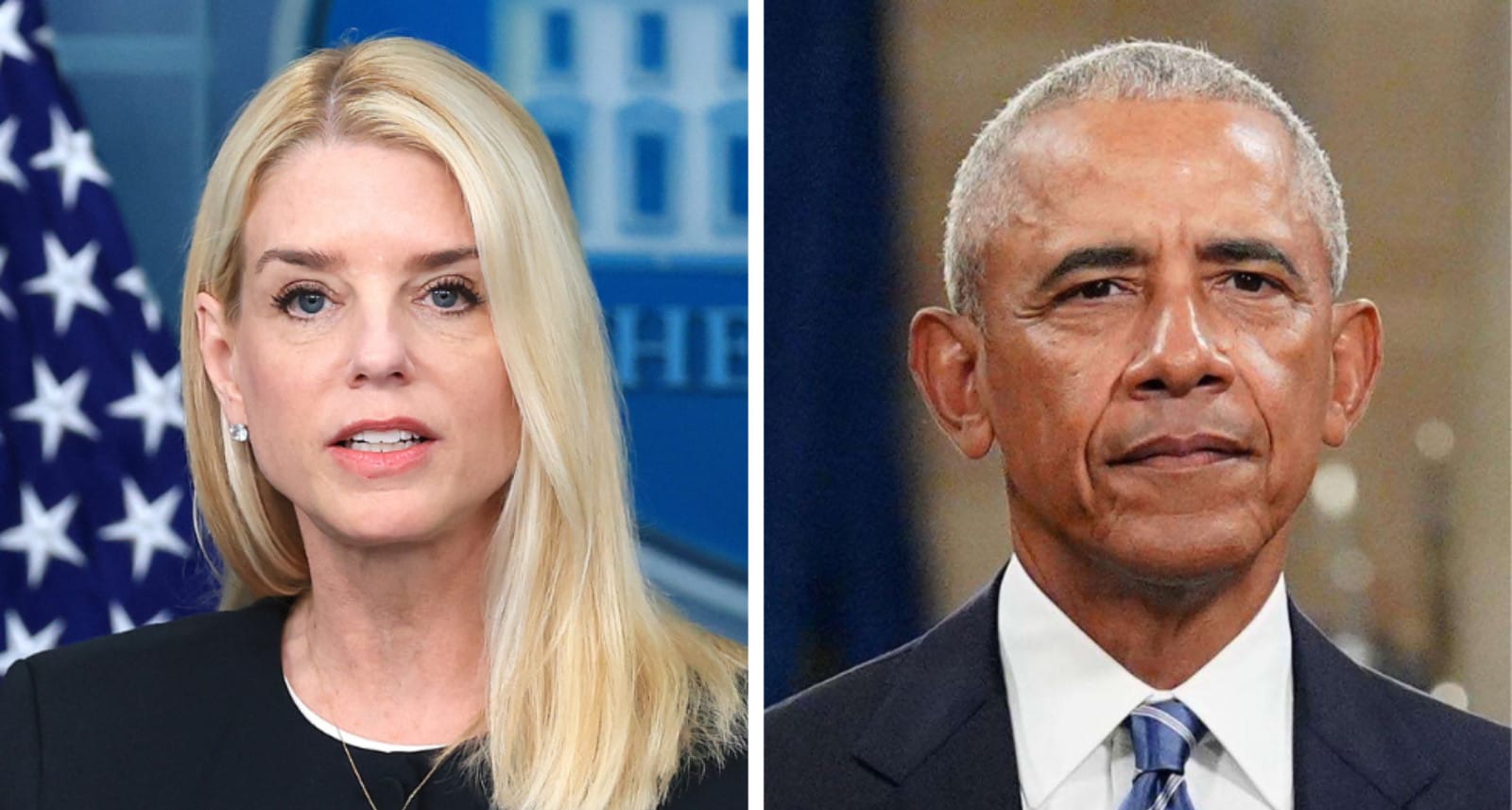
In August 2025, U.S. Attorney General Pam Bondi directed the Justice Department (DOJ) to begin presenting evidence to a federal grand jury related to the origins and intelligence assessments concerning Russian interference in the 2016 U.S. election during the Obama administration. The action stems from a criminal referral by Director of National Intelligence Tulsi Gabbard, who claimed the intelligence community “manufactured” or suppressed certain findings, suggesting intentional bias or wrongdoing. The move reignited debates about the Trump-era investigation into Russian interference — a chapter already exhaustively examined by multiple bipartisan bodies — as well as claims that intelligence was politicized.
2) Background: Russian Interference in the 2016 U.S. Election
To understand the current grand jury probe, we first need to revisit the original Russia investigation.
2.1 Russia’s Interference
Multiple U.S. government reports have confirmed that Russia undertook a coordinated effort to interfere in the 2016 U.S. presidential election. These included social media influence operations, cyber intrusions against Democratic targets, and attempts to influence American public opinion. While the precise impact on vote outcomes is debated, the interference campaign itself is well-established factually.
2.2 “Crossfire Hurricane” and Intelligence Assessments
In July 2016, the FBI opened an investigation code-named Crossfire Hurricane to examine links or coordination between the Trump campaign and Russian officials. This investigation involved key intelligence agencies and was later assumed by Special Counsel Robert Mueller.
2.3 The Mueller Report
The Mueller Report (2019) documented extensive attempts by Russia to interfere and detailed contacts between Trump associates and Russian figures. It concluded:
Mueller did not establish a criminal conspiracy between Trump’s campaign and Russia.
Several Trump aides were charged and convicted of unrelated crimes.
However, the report did not exonerate the president on obstruction issues, and much of the political debate since has involved how these findings should be interpreted.
3) The 2025 Bondi Grand Jury Development
3.1 What Happened?
In August 2025, Attorney General Pam Bondi — reporting to the administration of President Donald Trump — directed the DOJ to begin presenting evidence to a federal grand jury related to the origins of the Trump-Russia investigation and intelligence community assessments during the Obama years.
The department’s actions follow a criminal referral from Director of National Intelligence Tulsi Gabbard, who released documents alleging that senior Obama intelligence officials had deliberately misrepresented Russian interference analysis and attempted to damage Trump’s candidacy or presidency. Gabbard’s referral labeled the alleged actions a “treasonous conspiracy.”
Key details at this stage:
It’s unknown who exactly might face scrutiny.
No indictments have yet been issued.
The nature of potential criminal charges is unclear.
3.2 How Grand Juries Work
In the U.S., a grand jury does not determine guilt but assesses whether there is probable cause to charge someone with a crime. It can issue subpoenas and compel testimony. Only with a majority vote can it issue an indictment.
4) The Gabbard Referral
4.1 What Gabbard Claimed
Tulsi Gabbard’s referral — based on declassified documents — asserts:
Certain Obama-era intelligence officials knowingly presented misleading or fabricated information about Russian interference.
Suppression or manipulation of intelligence indicated a politically motivated conspiracy against Trump.
Notably, Gabbard’s claims challenge core conclusions of earlier government investigations and assessments.
4.2 Contention Over the Evidence
Critics argue that Gabbard’s documents do not undercut the bedrock findings that Russia interfered in the 2016 election and that intelligence assessments were legitimately based on the best available data at the time. Bipartisan investigations — including the Senate Intelligence Committee’s 1,300-page report — confirmed Russia’s interference with bipartisan Republican and Democratic oversight.
5) Legal Viability and Issues
5.1 Statutes of Limitations
One practical concern for prosecutors is the statute of limitations for alleged offenses from nearly a decade ago. Many federal crimes have a six-year cutoff, meaning some alleged conduct may be legally time-barred.
5.2 Evidence and Burden of Proof
To secure an indictment, the DOJ must show probable cause that criminal acts occurred. Political disagreements or improper analysis alone do not equate to crimes unless legal thresholds for fraud, perjury, conspiracy, or other offenses can be demonstrated.
5.3 Comparison to Past Investigations
Prior investigations — including Mueller and the Senate Intelligence Committee — had broad subpoena powers and access to classified information. They did not recommend charges against intelligence officials for wrongdoing in drafting assessments. This raises questions about the novelty or strength of any new allegations.
6) Reactions from Political Actors
6.1 Trump Administration
President Trump and his allies portrayed the grand jury move as necessary to expose wrongdoing by Obama’s national security apparatus. Trump publicly stated he was “happy to hear” about the probe and that “they deserve it,” though he also claimed he had no direct role in DOJ’s actions.
6.2 Obama and Democratic Response
Obama’s spokesperson dismissed the allegations as “bizarre” and a weak attempt to distract from other controversies facing the Trump administration. Democrats argue that the move is politically motivated and undermines public confidence in neutral law enforcement.
6.3 Legal Community
Some legal experts criticize the grand jury directive as setting a dangerous precedent — weaponizing grand juries to pursue political rivals. Others contend that if genuine evidence of malfeasance exists, it must be examined.
7) Media and Public Reaction
The story has divided media coverage:
Conservative outlets emphasize the grand jury as a victory for accountability and a chance to correct what they see as intelligence community overreach.
Liberal and centrist outlets paint it as an unprecedented politicization of the DOJ, potentially undermining rule of law.
Some commentators draw historical parallels to past controversies over the FBI and intelligence agency actions post-Watergate.
8) Broader Implications for U.S. Politics
8.1 Justice Department Independence
The controversy highlights ongoing debates about the independence of the DOJ. Critics fear the department is being used to target political opponents, while supporters view it as correcting perceived historical wrongs.
8.2 Public Trust in Intelligence
The intelligence community’s reputation has been strained by repeated allegations of partisanship. Regardless of legal outcomes, public confidence in intelligence assessments may continue to erode.
8.3 Presidential Power and Accountability
The episode also reflects broader tensions over executive branch power, classified information, and congressional oversight.
9) Historical Context: Earlier Probes
9.1 Mueller Investigation
Special Counsel Mueller’s probe lasted years, resulting in convictions of several Trump associates for unrelated offenses and concluding Russian interference, but not conspiracy with the Trump campaign.
9.2 Senate Intelligence Committee Report
A bipartisan Senate report corroborated Russian interference and confirmed that U.S. intelligence assessments were based on rigorous analysis.
These prior reviews set a substantive baseline that the Bondi grand jury actions now confront.
10) Possible Outcomes
10.1 No Charges
Grand juries often return no bills if prosecutors fail to prove credible evidence of criminal conduct.
10.2 Subpoenas and Testimony
Even without indictments, grand juries can issue subpoenas that compel testimony from former officials, generating political friction.
10.3 Potential Charges
If indictments were issued, they would likely trigger intense legal battles over evidence, executive privilege, and the political nature of the charges.
11) Key Figures
Pam Bondi – U.S. Attorney General directing grand jury action.
Tulsi Gabbard – Director of National Intelligence whose referral triggered DOJ action.
Barack Obama – Former president whose officials are central to the controversy.
Donald Trump – President supporting the probe.
Various Obama intelligence officials – Subjects of allegations.
12) Controversies and Criticisms
12.1 Partisan Weaponization?
Many critics argue that using criminal investigations to settle political grievances undermines democratic norms and blurs the line between law enforcement and political vendettas.
12.2 Contradictions with Past Findings
Claims that intelligence assessments were fabricated are at odds with multiple bipartisan inquiries that found evidence of interference and affirmed analytical integrity.
12.3 Freedom of Intelligence Analysis
Intelligence agencies routinely assess threats based on available evidence. Disputed interpretations of data do not automatically constitute criminal acts.
13) Legal and Constitutional Questions
The grand jury move raises complex legal questions:
Executive vs. law enforcement independence
Statutes of limitations
Role of declassified evidence
Scope of grand jury authority in historic political controversies
Continue reading…
