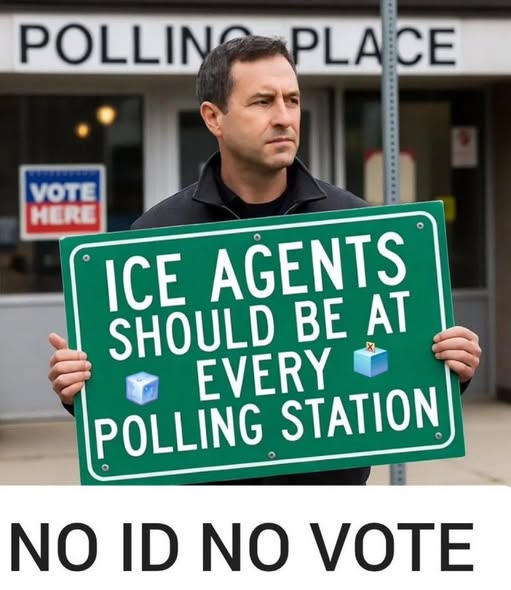
b. Conflation of Issues
Illegal immigration, border security, voter ID laws, mail-in ballots, and election integrity are often lumped together—even though they are distinct topics with different facts.
Fear mobilizes voters. Suggesting that “your vote is being canceled out by someone who shouldn’t even be here” is a powerful narrative—even if it isn’t accurate.
d. Social Media Amplification
Anecdotes spread faster than corrections. A single viral story, stripped of context, can outweigh dozens of boring factual reports.
6. Are Safeguards Perfect? No—and They Don’t Have to Be
It is possible to hold two ideas at once:
Non-citizens voting in federal elections is illegal and rare
Election systems should still be secure, transparent, and continuously improved
Supporting voter integrity does not require believing in mass fraud. Likewise, rejecting conspiracy theories does not require pretending systems are flawless.
Accurate voter rolls
Clear citizenship verification processes
Strong penalties for intentional fraud
Transparent audits
Accessible legal voting for eligible citizens
Security and access are not mutually exclusive.
7. The Cost of Getting This Wrong
Trust in democracy erodes
Voters disengage
Election workers face harassment
Policy debates shift from evidence to paranoia
Ironically, this undermines the very institutions people claim to be defending.
Democracy depends not only on secure elections, but on shared agreement about reality.
8. Precision Matters
The phrase “ILLEGALS DON’T VOTE!!” works as a blunt corrective to exaggerated claims—but like all slogans, it oversimplifies.
A more precise statement would be:
Non-citizens are prohibited from voting in federal elections, and verified cases of illegal voting are extremely rare.
That may not fit on a sign—but it fits the facts.
9. Conclusion: Facts Over Fear
Immigration is a complex issue. So is election administration. Neither benefits from distortion.
The evidence shows that undocumented immigrants do not vote in U.S. federal elections in any meaningful numbers, not because they are saints, but because the risk is enormous, the incentives are low, and the system—while imperfect—works.
Believing otherwise may feel validating, but it does not make it true.
If we care about democracy, we should demand honesty—not just from politicians and media, but from ourselves.
