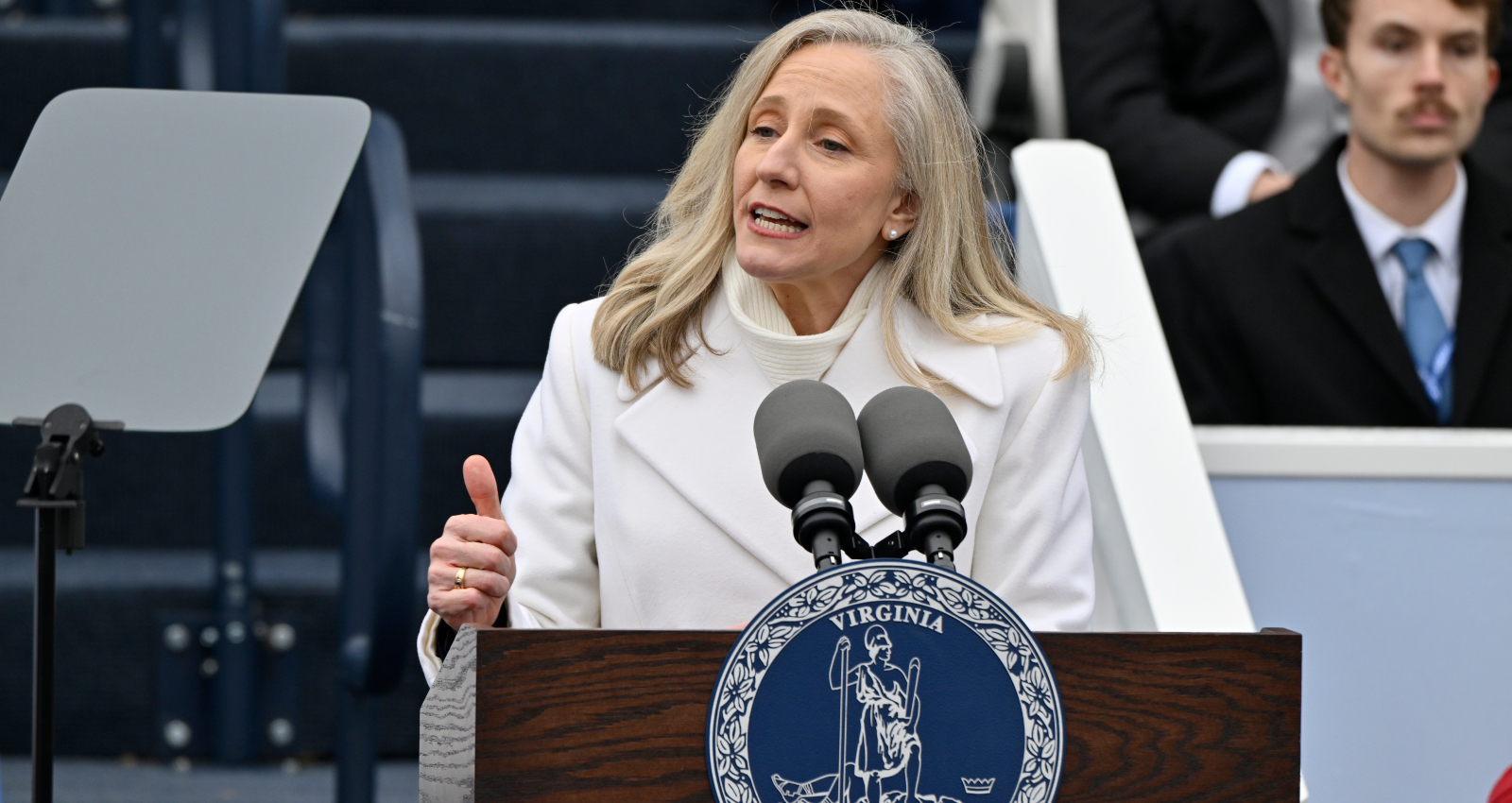
Virginians Hit With Power Bill Shock As Gov. Spanberger Pushes New Energy Costs
A Deep Dive into Policy, Prices, Politics, and the Future of Energy in Virginia
In early 2026, residents across the Commonwealth of Virginia began reporting what many described as “sticker shock” on their electricity bills — with consumers saying their monthly energy costs have surged sharply compared to previous years. Headlines and online commentary captured the frustration: one Virginia resident remarked that her bill more than tripled, jumping from around $200 in a typical month to over $600, leaving many questioning what is driving these dramatic increases.
Below, we explore:
What Virginians are seeing in their power bills
Why electricity costs have risen
The policies Gov. Spanberger is pursuing
Arguments linking her actions to higher costs
Counter-arguments emphasizing underlying causes
Political and economic context
What lies ahead for Virginia ratepayers
Across social media and user-reported anecdotes, Virginia households have been sharing experiences of unusually high electric bills. Some describe bills climbing to levels far above their historic norms — with one reported jump from around $200 to over $600 in a single month.
It’s important to differentiate actual utility rate changes approved by regulators from public perception and individual consumer anecdotes:
The Virginia State Corporation Commission (SCC) — the state’s utility regulator — approved modest rate increases for Dominion Energy customers: about $11.24/month in 2026 and a further $2.36 in 2027 compared with larger increases originally sought by the utility.
These approved changes alone would not, on their own, account for a bill jumping by hundreds of dollars. Instead, the reports of dramatic increases are shaped by:
High electricity usage months
Seasonal demand spikes
PJM Interconnection market costs
Perceptions tied to political debate
This dynamic makes the conversation about “bill shock” both quantitatively and qualitatively complex — it’s not simply one policy driving all effects.
2. Why Electricity Costs Have Been Rising in Virginia
A. Market and Structural Forces
A significant backdrop to rising energy costs in Virginia is PJM Interconnection, the regional grid operator that manages electricity for Virginia and 12 other states. The PJM market determines which power resources are used and how costs are allocated, including for capacity — the commitment of generation resources to meet peak demand. Rising capacity costs have been a significant factor any household electricity cost pressure state-wide.
Two major structural considerations include:
Data Center Demand:
Virginia, particularly Northern Virginia, has become a national epicenter for data centers, which require enormous quantities of power. Data centers now constitute a substantial share of peak load and contribute to capacity cost increases that are, in turn, spread across all customers on the grid. Some analyses show that data centers have driven many billions of dollars in cost increases in PJM capacity markets — costs that ultimately flow to residential ratepayers.
Grid Supply Constraints and Interconnection Delays:
Clean energy projects — solar, wind, and battery storage — represent a growing share of planned generation, but backlogs in PJM’s interconnection queue and transmission bottlenecks have slowed their ability to come online quickly, contributing to higher wholesale energy costs.
These market and supply dynamics are not new to 2026, and many experts emphasize they predate Gov. Spanberger’s tenure.
B. Renewable Mandates and State Policy History
Virginia’s energy policy framework has, over years, moved toward cleaner energy goals. The Virginia Clean Economy Act (VCEA) — enacted in 2020 under a Democratic legislature — set ambitious targets for renewable generation and carbon reduction. Some analyses suggest that compliance costs from clean energy mandates and associated investments have contributed to rate increases over time.
Dominion Energy’s major projects — like the Coastal Virginia Offshore Wind initiative — also add costs to rate base accounts that are spread to customers during construction phases.
These dynamics have long been contested among policymakers and analysts, with differing interpretations of how much they drive consumer bills.
3. What Governor Spanberger’s Administration Is Doing on Energy
Governor Abigail Spanberger assumed office in January 2026. Throughout her campaign and early actions as governor, she has articulated an agenda focused on energy affordability — but also tied to grid modernization and climate goals:
RGGI Re-entry Considerations: Spanberger’s administration has taken steps toward having Virginia rejoin the Regional Greenhouse Gas Initiative (RGGI), a multistate cap-and-trade program that effectively functions as a carbon pricing mechanism on electricity emissions. This move would require power producers to buy allowances for carbon emissions — and critics argue those costs are passed along to customers.
Energy Storage and Efficiency: The governor has prioritized expanded energy-storage capacity and other measures intended to stabilize peak pricing and improve grid resiliency.
Affordability Agenda: Spanberger has framed her legislative agenda — the “Affordable Virginia Agenda” — as targeting lower overall living costs, including energy bills, through a mix of efficiency, weatherization, grid planning, and consumer protections.
Data Center Policy: During her campaign, Spanberger pledged to ensure data centers “pay their fair share” for power infrastructure and not simply shift costs to residential customers. This includes discussions about requiring data centers to source more of their energy independently or contribute to infrastructure upgrades.
The policy agenda is multi-dimensional: while some elements seek to reduce consumer costs, others (like carbon pricing) are debated for their impact on rates.
4. Arguments Saying Spanberger’s Policies Are Raising Energy Costs
Critics — particularly from conservative or anti-regulation perspectives — argue that Gov. Spanberger’s early energy policy moves are intensifying cost pressures by:
A. Rejoining RGGI
One of her administration’s early actions has been moving Virginia back toward the Regional Greenhouse Gas Initiative, which imposes carbon costs on power generation. Critics characterize this as a “backdoor carbon tax” that inevitably leads to higher electricity prices for consumers, pointing to historical data from RGGI states showing higher relative rate growth.
Some conservative analysts project that RGGI could cost Virginia hundreds of millions of dollars annually, translating into upwards of $1,100 per household per year in added costs — though these figures depend heavily on projected allowance prices and market responses.
B. Clean Energy Mandates and Renewable Costs
Opposition narratives argue that all clean energy mandates — from renewable targets in the VCEA to large offshore wind projects — inherently drive up consumer costs because they rely on newer, often higher-capital-cost technologies and infrastructure. These critics assert that:
Renewable generation still represents a small share of actual generation
Mandates and grid integration costs burden ratepayers
Compliance and construction costs are often passed through to consumers
Some opponents even cite claims that certain renewable mandates could raise individual energy costs by thousands of dollars over decades, though such projections are typically contested by mainstream analysts.
C. Regulatory and Market Complexity
Another critique targets the SCC’s regulatory process, noting that utilities are allowed to recover investment costs plus a return, a model some say incentivizes capital-heavy projects (including renewables) that can raise rates without clear near-term payoff.
Whether or not these criticisms are accurate or fair, they reflect a broader resistance to state energy policy directions that include carbon pricing and expanded clean energy standards.
5. Counter-Arguments: Broader Forces Driving Costs
Proponents of Spanberger’s strategy and many energy analysts argue that the primary drivers of rising energy costs are structural and market-based rather than the result of any single new governor’s policies:
A. Supply and Demand Imbalance
Virginia’s rapid growth in electricity demand — particularly from electricity-intensive data centers — has strained grid capacity and increased wholesale costs. This is an issue rooted in decades of economic and technology trends, not just policy choices.
Data center demand:
Accounts for a growing share of peak load
Drives PJM capacity cost increases
Pushes infrastructure upgrades that spread costs across ratepayers
Utility bills in states with high data center concentration often show above-average wholesale price and capacity cost pressures, even without new state policies.
B. Transmission and Interconnection Bottlenecks
The inability to bring new generation — especially clean generation — online quickly due to grid interconnection backlogs and regional transmission constraints means that supply has not kept pace with demand. This contributes to higher prices even if policies aim to reduce costs in the long run.
C. Market Price Dynamics
Wholesale energy and capacity markets fluctuate due to many factors:
Natural gas price volatility
Seasonal weather extremes
Regional grid balancing needs
These pressures can raise consumer costs independent of state policy interventions.
D. Policy Response Rather Than Cause
Many analysts see Gov. Spanberger’s energy agenda not as a causal driver of cost increases but as a policy response to underlying affordability concerns. Her emphasis on energy storage, efficiency programs, weatherization, and affordability packages reflects an attempt to mitigate consumer burden while meeting broader state goals.
6. Political and Economic Context
A. The 2025 and 2026 Elections
Energy affordability emerged as a major political issue in the 2025 Virginia gubernatorial election. Rising electricity prices became a talking point for candidates on both sides:
Democrats, including Spanberger, campaigned on bringing down costs and holding high-load users like data centers accountable
Republicans spotlighted rate increases, regulatory mandates, and cap-and-trade mechanisms as drivers of cost growth
Virginia’s election results demonstrated that voters were deeply concerned about cost pressures, not only in energy but in broader living expenses.
B. Economic Impact
Energy prices influence:
Household budgets
Business operating costs
Industrial competitiveness
Higher electricity costs can affect business investment decisions and household disposable income, which in turn shape the state’s economic trajectory.
Political polarization around energy policy highlights how the economics of power intersects with ideology, governance, and public sentiment.
7. What Lies Ahead for Virginia Ratepayers
The future of energy costs in Virginia will depend on a combination of:
A. Policy Implementation
Whether and how Virginia formally rejoins RGGI, expands efficiency programs, upgrades grid infrastructure, and regulates data center demand will shape cost trends.
B. Market Developments
Continue reading…
