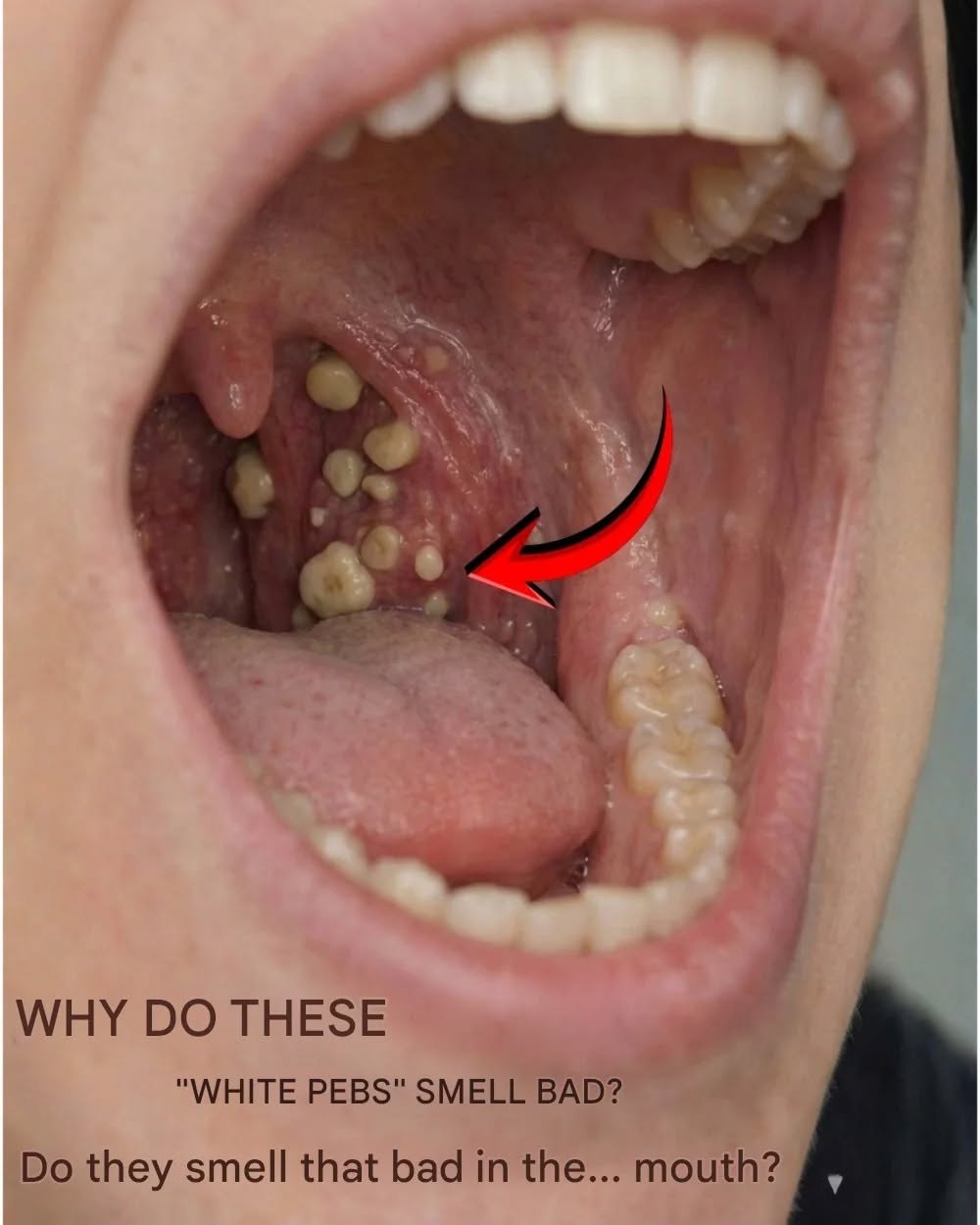
Persistent bad breath that does not improve with oral hygiene
Large or painful stones causing difficulty swallowing
Fever, severe throat pain, or signs of infection
Prompt medical evaluation ensures that the stones are not confused with more serious conditions and allows for appropriate treatment.
Myths and Misconceptions About Tonsil Stones
Many people hold misconceptions about tonsil stones, which can lead to unnecessary worry:
Myth 1: Tonsil stones are dangerous.
Most tonsil stones are harmless, though they can cause discomfort and bad breath.
Myth 2: Only adults get tonsil stones.
Children can also develop tonsil stones, especially if they have large tonsils.
Myth 3: Tonsil stones always require surgery.
Many stones can be managed at home or with minor medical procedures.
Conclusion
Remember: those tiny smelly white lumps are usually harmless—but ignoring them can lead to chronic discomfort. With proper care and awareness, you can keep tonsil stones under control and breathe freely again.
