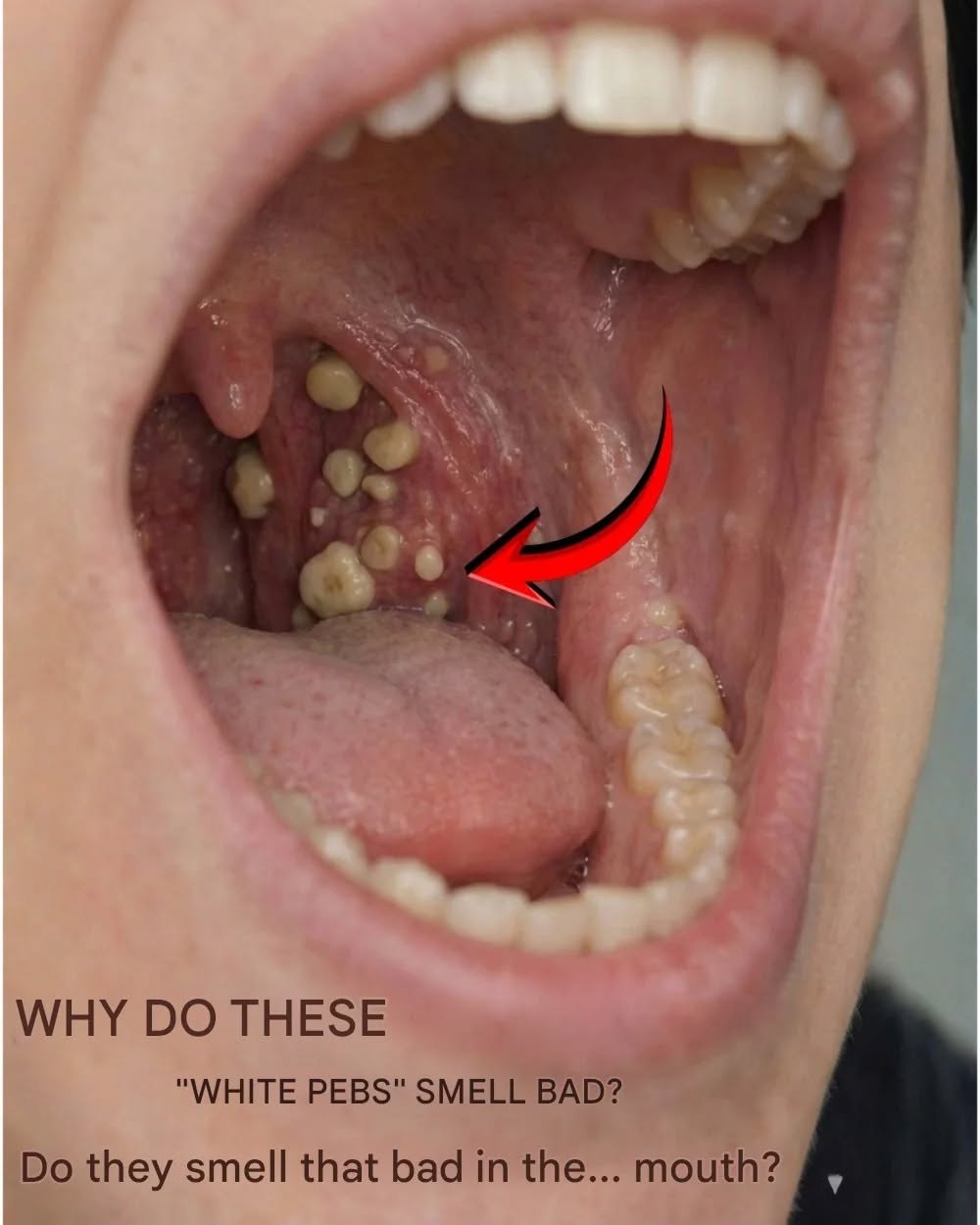
What Are Those Smelly White “Stones” in the Mouth That Cause Terrible Bad Breath?
If you’ve ever noticed tiny white or yellowish lumps in the back of your throat and experienced an unbearable smell, you may have encountered what are commonly known as tonsil stones, or tonsilloliths. These small, calcified formations might seem harmless at first glance, but they can lead to discomfort, persistent bad breath, and even throat irritation. In this blog, we’ll explore everything you need to know about these smelly white “stones,” including what causes them, their symptoms, how to treat them, and how to prevent them from forming.
Tonsil stones are hard, calcified lumps that form in the crevices of the tonsils. The tonsils are two small glands located at the back of your throat that help fight infections. Their surface isn’t smooth; instead, it has small pockets called tonsillar crypts, which can trap debris such as food particles, dead cells, and bacteria. Over time, this trapped material can calcify, forming stones.
Although tonsil stones can vary in size, some can grow large enough to cause pain or make swallowing difficult. Most tonsil stones are white or yellowish, sometimes gray, and they are notorious for causing foul-smelling breath.
Why Do Tonsil Stones Smell So Bad?
The unpleasant odor associated with tonsil stones comes primarily from bacterial activity. The mouth is home to millions of bacteria, some of which feed on the trapped debris in the tonsillar crypts. As they break down proteins in food particles and dead cells, they release sulfur compounds. These sulfur compounds are volatile and malodorous, which is why tonsil stones are often linked to chronic bad breath, medically known as halitosis.
In addition to bacteria, the size and density of the stones can also contribute to their odor. Larger stones provide more surface area for bacteria to thrive, intensifying the smell.
What Causes Tonsil Stones?
Several factors contribute to the formation of tonsil stones:
Poor Oral Hygiene
Not brushing and flossing regularly allows food debris and bacteria to accumulate in the mouth, increasing the likelihood of stone formation.
Large Tonsils or Deep Tonsillar Crypts
Some people naturally have larger tonsils or deeper crevices, which are more prone to trapping debris.
Post-Nasal Drip
Excess mucus from allergies or sinus infections can settle in the tonsils, contributing to the formation of stones.
Diet
Diets high in dairy or refined sugars can increase mucus production and bacterial growth, promoting tonsil stone development.
Smoking
Tobacco products can worsen oral hygiene and encourage bacterial growth, making tonsil stones more likely.
Symptoms of Tonsil Stones
While some tonsil stones are small and asymptomatic, others can cause noticeable discomfort. Common signs and symptoms include:
Bad Breath (Halitosis): This is often the most noticeable symptom. Even with regular brushing and mouthwash, the odor persists because it originates deep in the tonsils.
Sore Throat or Throat Irritation: Larger stones can irritate the surrounding tissue.
Difficulty Swallowing: Stones may make swallowing uncomfortable or even painful.
Ear Pain: Although stones don’t directly affect the ears, nerve pathways shared with the throat can cause referred pain.
Coughing: Some stones trigger a gag reflex or persistent cough.
Diagnosing Tonsil Stones
Tonsil stones are usually diagnosed during a routine oral or throat examination. Your doctor or dentist may visually inspect the tonsils or use a small instrument to gently check for stones hidden in the crypts. In some cases, imaging studies such as X-rays or CT scans are necessary, particularly for larger or deeper stones.
It’s important to differentiate tonsil stones from other oral conditions such as tonsil infections, abscesses, or even tumors. While most stones are harmless, persistent or painful stones should always be evaluated by a healthcare professional.
Treatment Options for Tonsil Stones
The treatment approach depends on the size and severity of the stones:
1. Home Remedies
For small, uncomplicated stones, home care is often sufficient:
Gargling: Saltwater gargles can help dislodge stones and reduce bacterial buildup.
Manual Removal: Using a cotton swab or a soft toothbrush to gently remove visible stones. Caution is essential to avoid injury.
Oral Hygiene: Brushing, flossing, and using mouthwash can prevent bacterial buildup.
Hydration: Drinking plenty of water helps flush out debris.
2. Medical Procedures
If tonsil stones are large, recurrent, or causing significant discomfort, medical interventions may be necessary:
Laser Tonsil Cryptolysis: A laser is used to smooth the tonsillar crypts, making it harder for stones to form.
Coblation Tonsil Cryptolysis: Uses radiofrequency energy to reduce the size of crypts.
Tonsillectomy: Surgical removal of the tonsils is considered a last resort for chronic or severe cases.
3. Antibiotics
Antibiotics are generally not recommended, as they do not remove stones and only temporarily reduce bacterial load. They may be used if there is an active bacterial infection.
Prevention of Tonsil Stones
Preventing tonsil stones largely involves maintaining good oral hygiene and minimizing factors that contribute to their formation:
Brush and Floss Regularly: Twice daily brushing and daily flossing remove food particles and bacteria.
Use Mouthwash: Antibacterial or oxygenating mouthwashes help reduce bacterial growth.
Stay Hydrated: Drinking water prevents debris from sticking to the tonsils.
Gargle Frequently: Especially after meals or at night, to dislodge any trapped particles.
Avoid Smoking: Smoking increases the risk of stone formation.
Dietary Adjustments: Limiting dairy and sugar intake may reduce mucus and bacterial buildup.
Regular Dental Checkups: Dentists can detect early signs of tonsil stones and advise preventive measures.
When to See a Doctor
While most tonsil stones are harmless, you should seek medical attention if you experience:
Continue reading…
